History of Overtown

Event Image
1896
Beginning of "Colored Town"

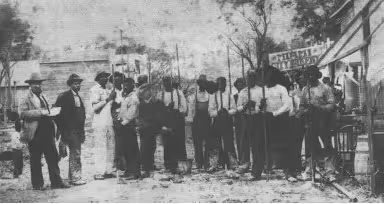
In March 1896, a group of Black men left Henry Flagler’s Royal Poinciana Hotel in Palm Beach to help build the Royal Palm Hotel in Miami. One month later, the Florida East Coast Railway was extended to the Miami area. These men worked tirelessly to construct the city’s hotels and railroads, laying the foundation for Miami’s infrastructure. During this time, they built their homes in an area that came to be known as “Colored Town,” located across the railroad tracks. That same year, 368 residents voted for the incorporation of the City of Miami—162 of them were Black men, accounting for 44% of the electorate. Many were employed by Flagler to clear land around Biscayne Bay for the Royal Palm Hotel.
Event Image
1904
More than 40 businesses opened in Overtown

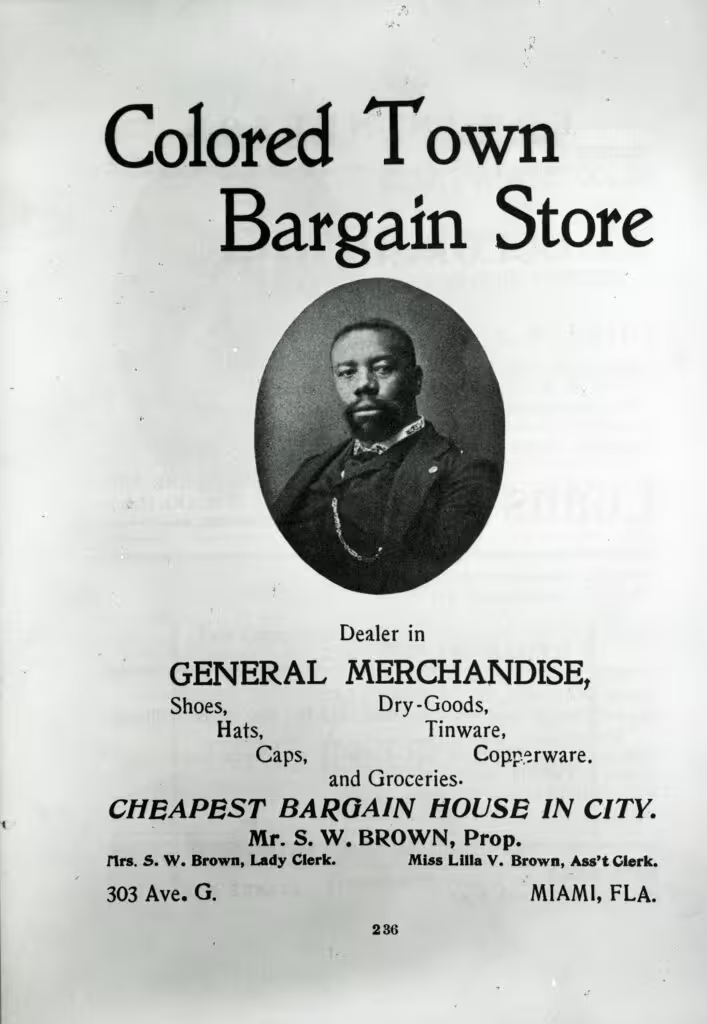
By 1904, over 40 businesses had opened in what was then known as “Colored Town.” A poster in the City of Miami Directory highlighted a vibrant business community that included fine wine and cigar shops, reflecting a growing and diverse local economy.

Event Image
1908
First African American Medical Practice in Miami

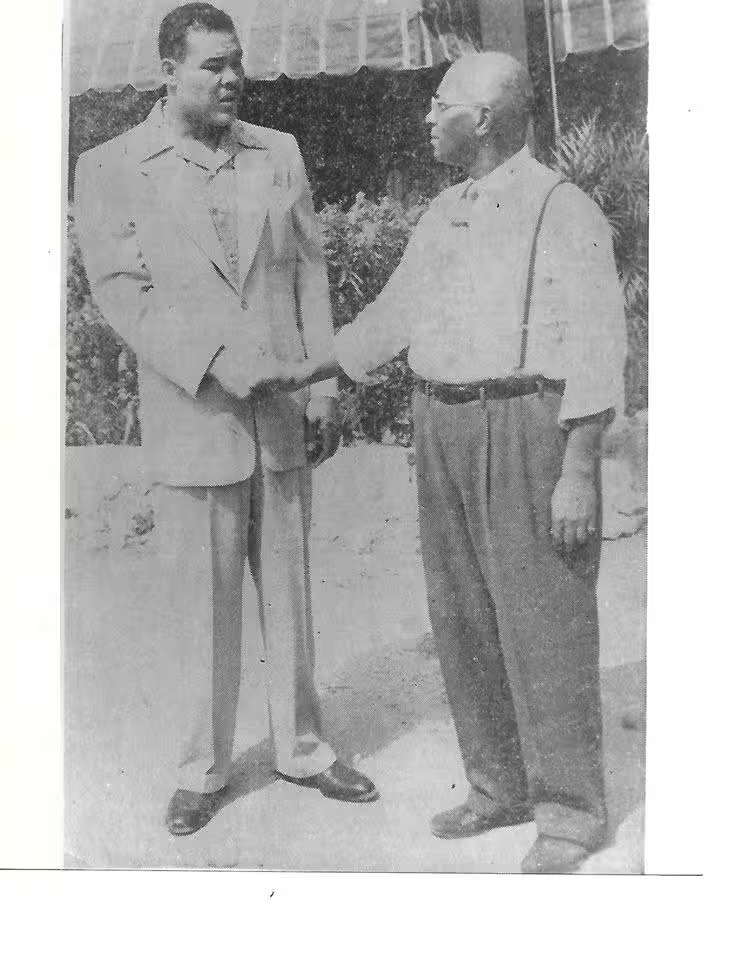
Dr. William B. Sawyer (pictured on the right) became the youngest doctor in the community and the first African American to open a medical practice in Miami. He later co-founded Christian Hospital and owned the prominent Mary Elizabeth Hotel in Overtown.

Event Image
1913
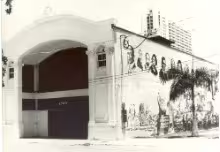
Opening of Lyric Theatre

Built by Geder Walker, the 400-seat Lyric Theatre became a cultural landmark and a major entertainment venue for Miami’s Black community. The Miami Metropolis described it as “the most beautiful and costly playhouse owned by Colored people in the Southland.”

Event Image
1915
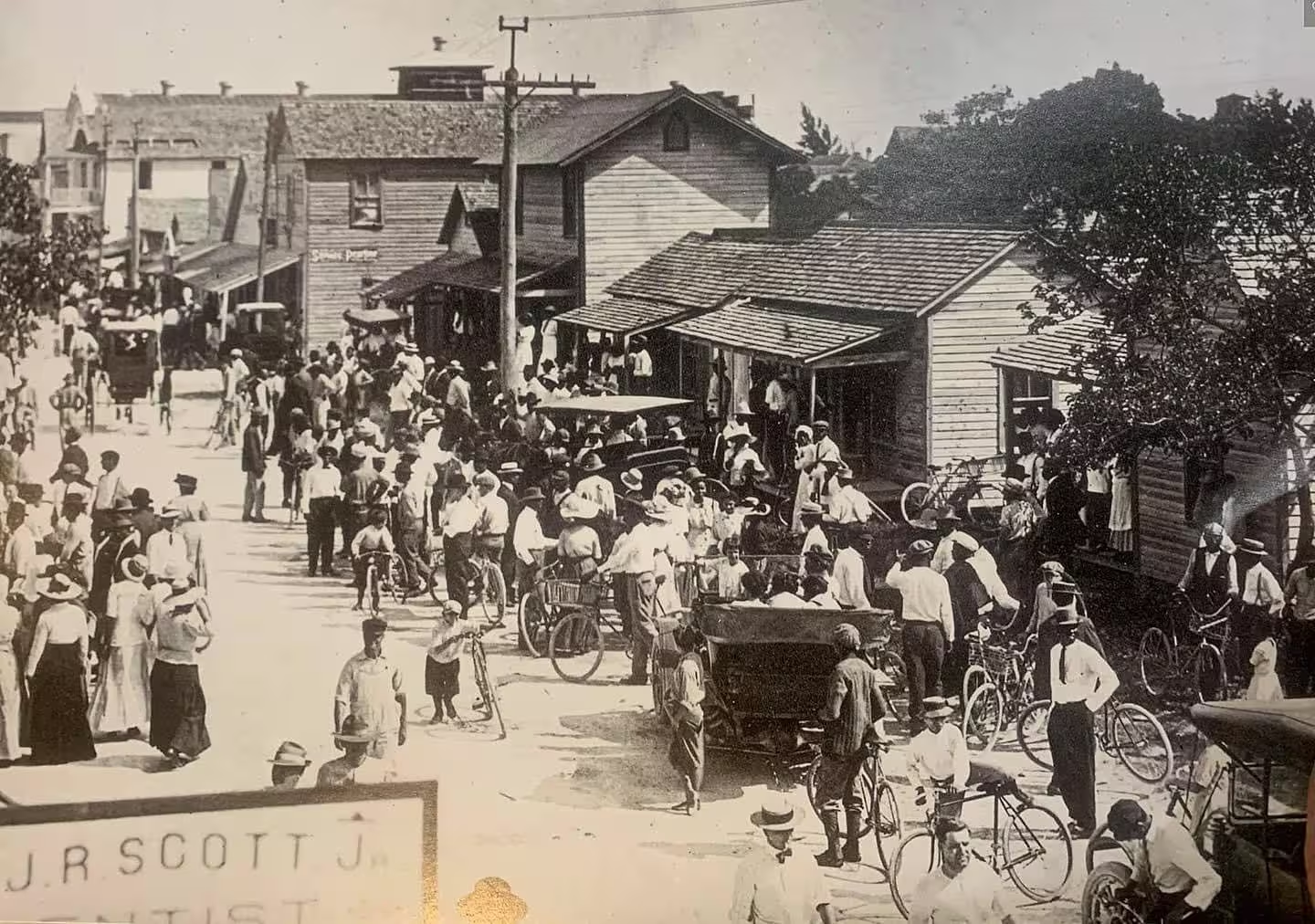
Over 150 businesses opened in Overtown

By the mid-1910s, Overtown was a bustling neighborhood home to barbershops, beauty salons, grocery stores, churches, schools, a millinery, and a drugstore. Families from surrounding areas such as Lemon City (now Little Haiti) and Coconut Grove frequently visited to shop and dine.

Event Image
1918
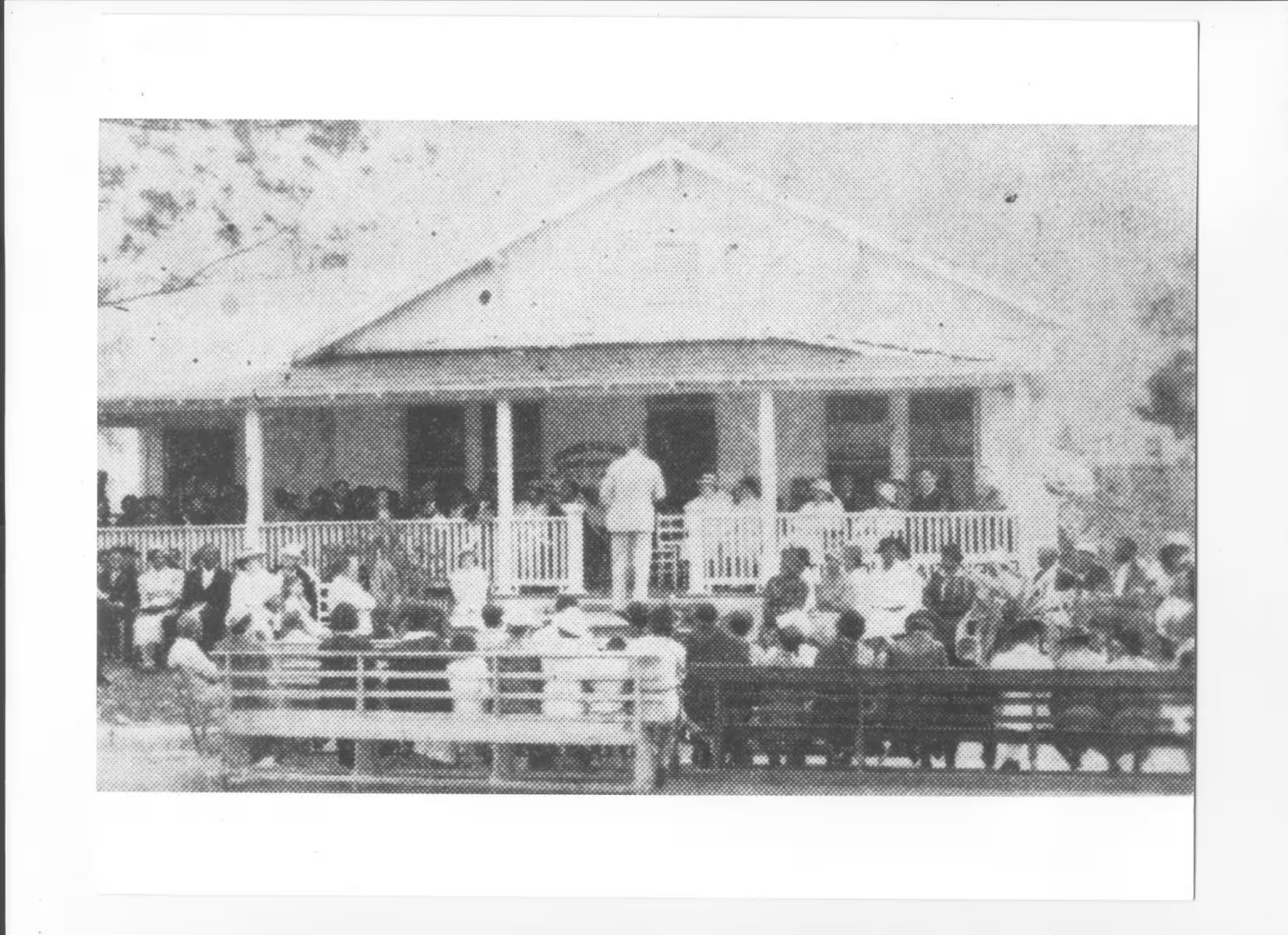
Opening of the First Black Hospital in Overtown

Christian Hospital, a modest 12-bed facility in a wooden building, became the first hospital serving Miami’s Black residents. At a time when most White-owned hospitals refused to treat Black patients, it provided critical care to the community.

Event Image
1920 - 1960
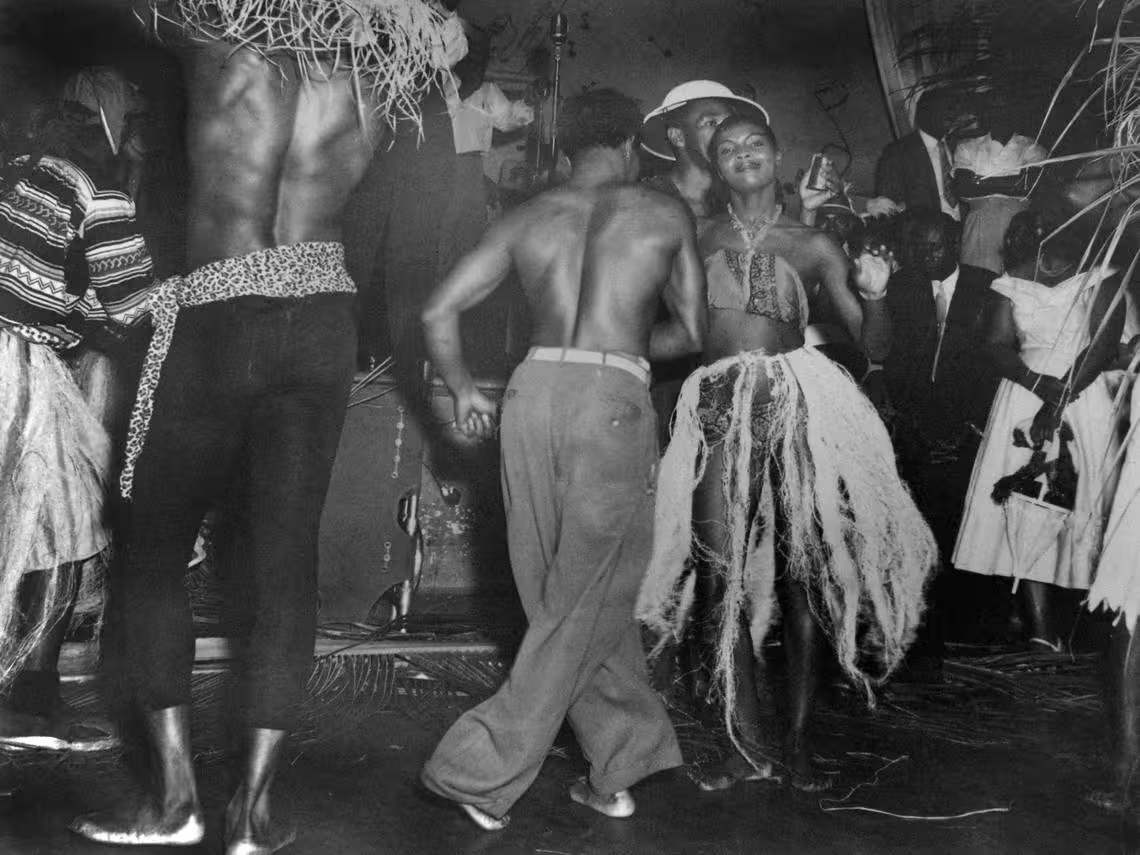
The Heyday of Overtown

During this period, Overtown thrived as a cultural and entertainment hub, earning the nickname “Miami’s Little Broadway.” Due to segregation laws and social customs, Black performers such as Nat King Cole, Billie Holiday, Louis Armstrong, and Aretha Franklin were barred from staying in Miami Beach. Instead, they performed and stayed in Overtown, contributing to its vibrant nightlife and cultural scene.

Event Image
1946
Duke Ellington Performs in Overtown

In the 1940s and 1950s, Overtown was a hotspot for jazz and was dubbed “Harlem of the South.” Jazz legends such as Count Basie, Ella Fitzgerald, and Duke Ellington regularly performed in the neighborhood.

Event Image
1950
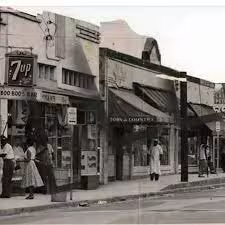
Street scene in overtown in 1950s

NW 2nd between 8th and 9th street in 1950s.

Event Image
1956
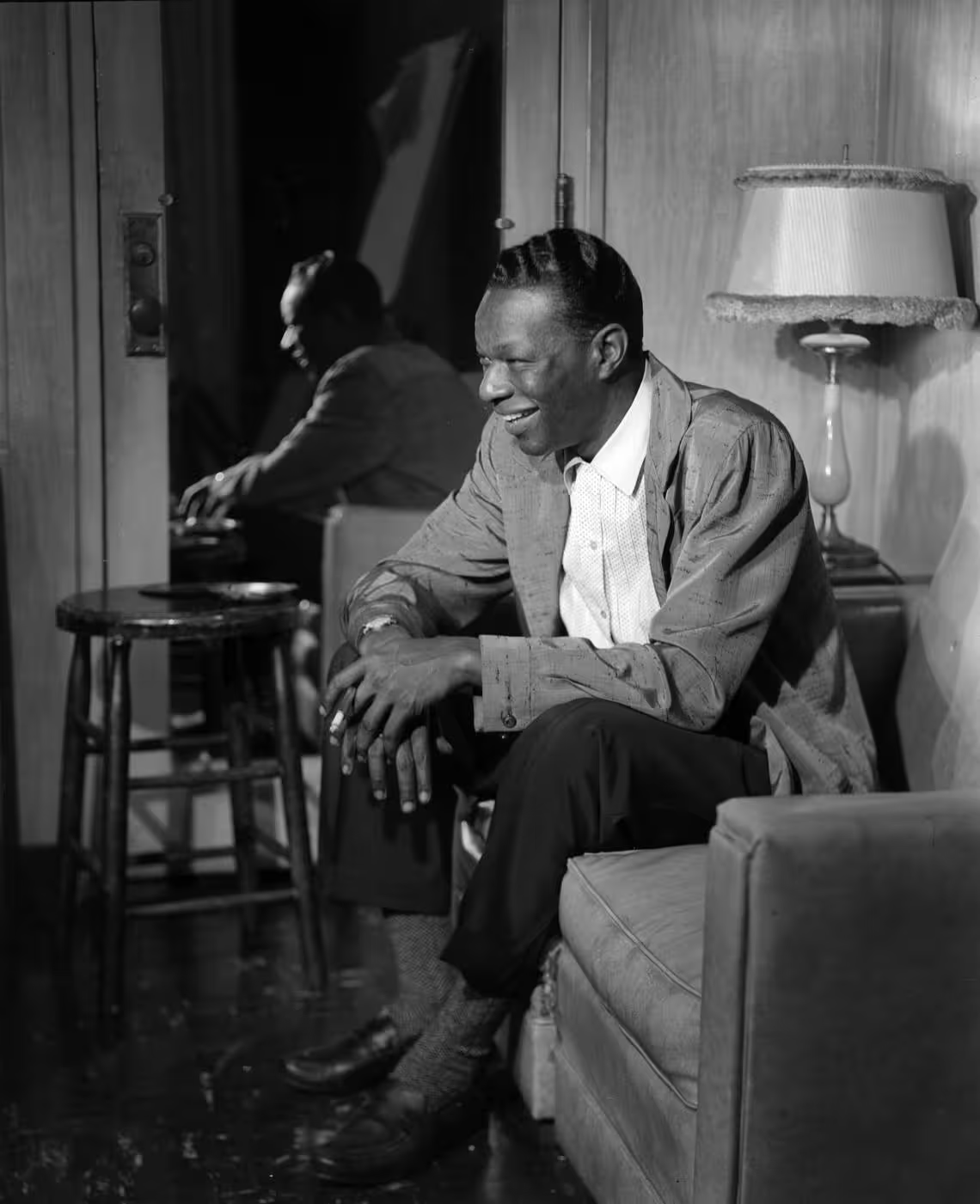
Singer Nat King Cole in Miami.
Event Image
1957
Singer actress Josephine Baker and boxer Joe Louis Visit Overtown
Event Image
1957
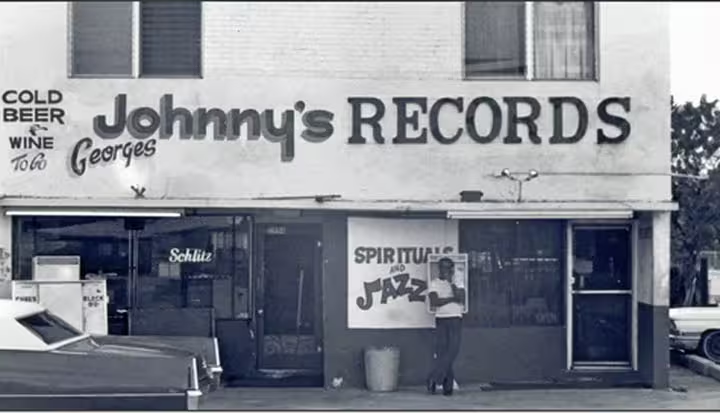
Founding of Johnny’s Records

Willie Clarke, an Overtown native, co-founded Johnny’s Records with Johnny Pearsall in Liberty City. Inspired by Motown and soul music, they launched Deep City Records—the first Black-owned record label in Florida. They collaborated with local talent performing in Overtown’s clubs, helping to shape the Miami Sound.

Event Image
1960s
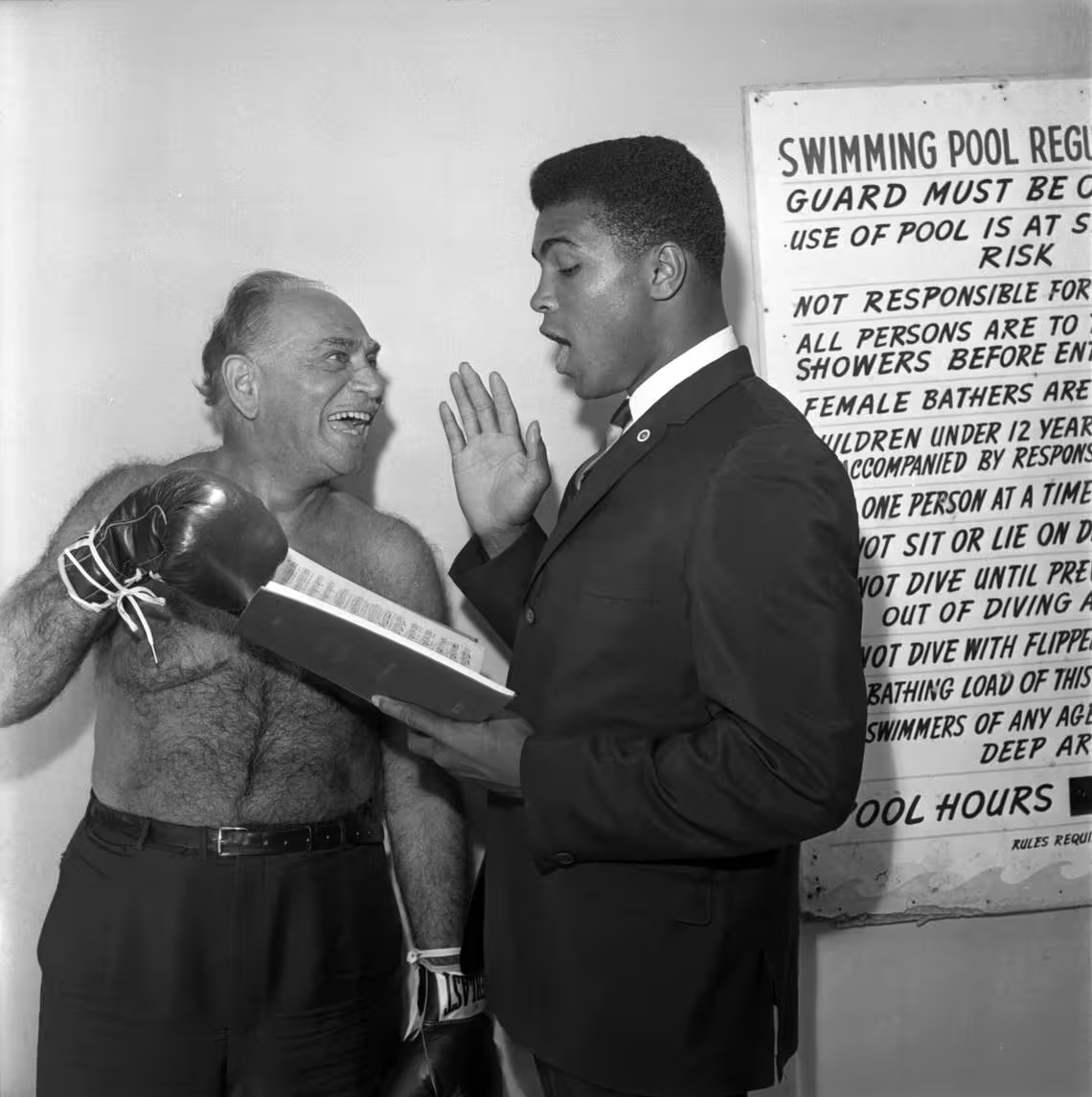
Muhammad Ali Moves to Overtown

Then known as Cassius Clay, Muhammad Ali moved to Overtown in the early 1960s to pursue boxing. He would go on to become the world heavyweight champion in 1964. Overtown also drew other prominent athletes and cultural figures.

Event Image
1960s
Highways Divide the Community

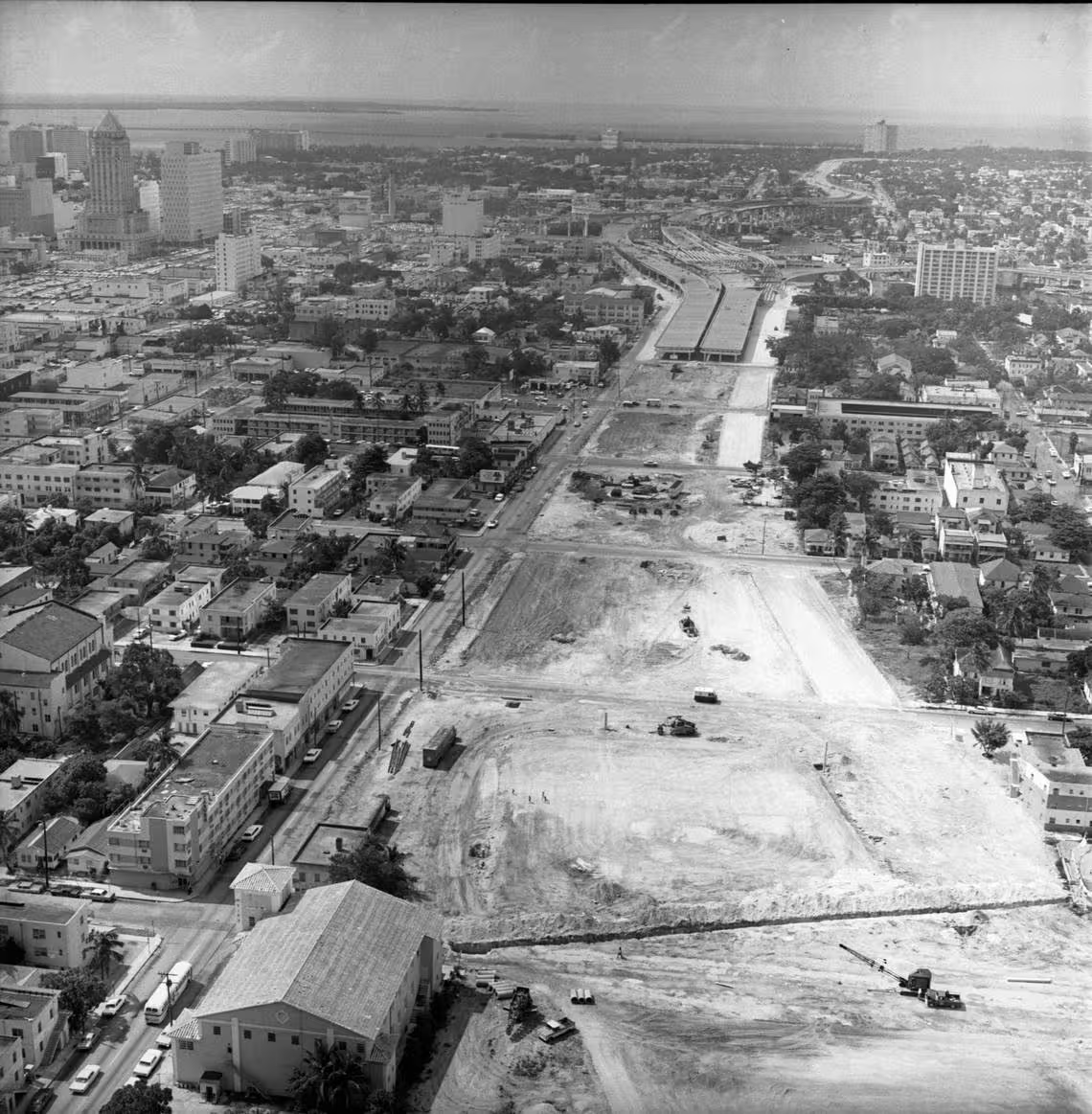
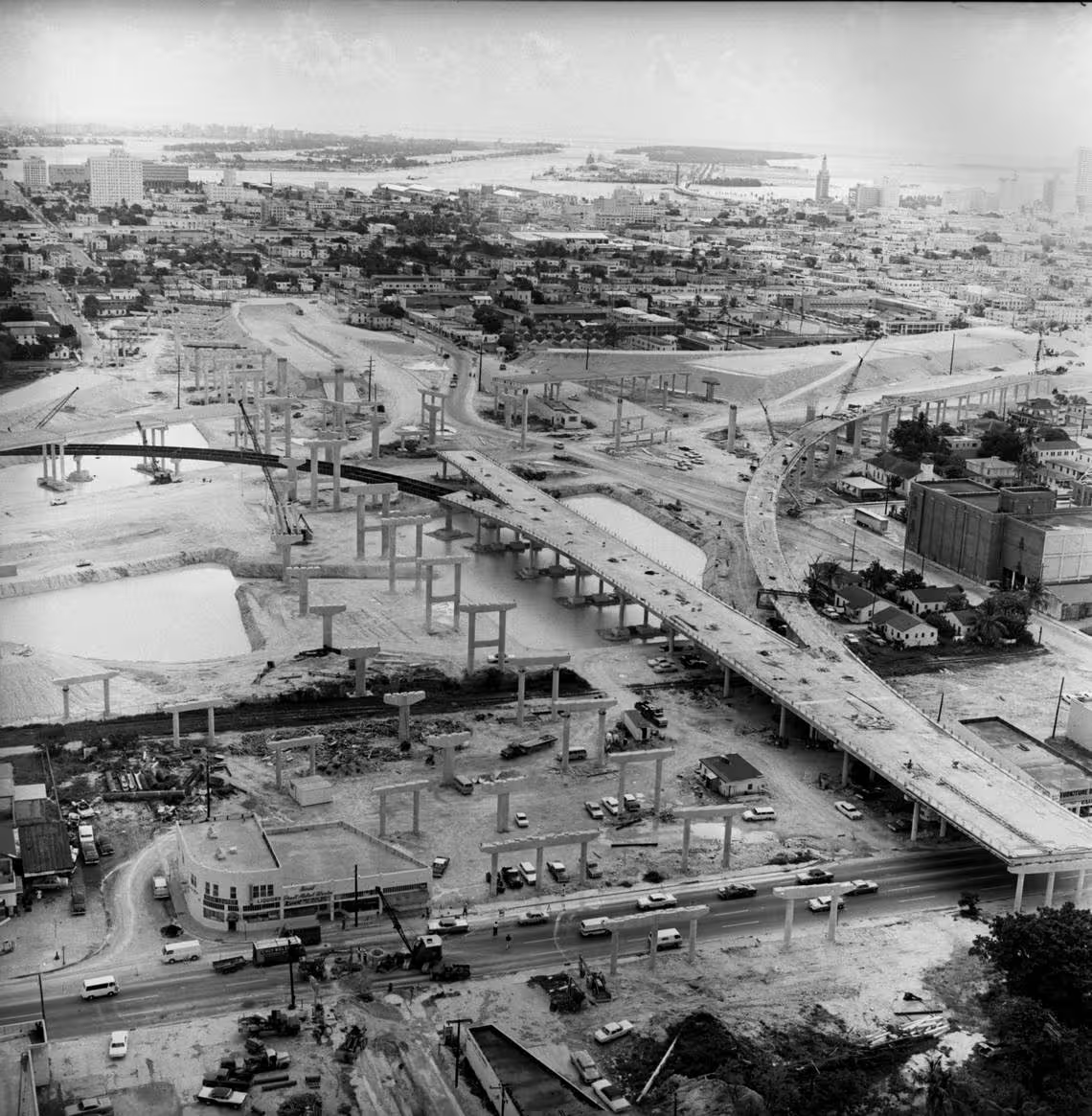
Construction of I-95, I-395, and later State Road 836 cut through Overtown, displacing thousands of residents and destroying much of the neighborhood’s business district. This infrastructure project dismantled the community and forced many residents to relocate to areas like Liberty City, Little Haiti, Brownsville, and Opa-locka—often without assistance.

Event Image
1967
I-395 Construction Destroys Overtown’s Core

By the late 1960s, Overtown had lost over half of its population and one-third of its businesses. The once-thriving neighborhood, which had a peak population of nearly 33,000, was deeply impacted and never fully recovered.

Event Image
2000s
Revitalizing Overtown

Thanks to the support of community organizations and volunteers, Overtown is experiencing a resurgence. Historic buildings are being restored, new housing and facilities are being developed, and the cultural identity of the neighborhood is being preserved and celebrated.

Event Image
2018
Opening of A Space Called Tribe

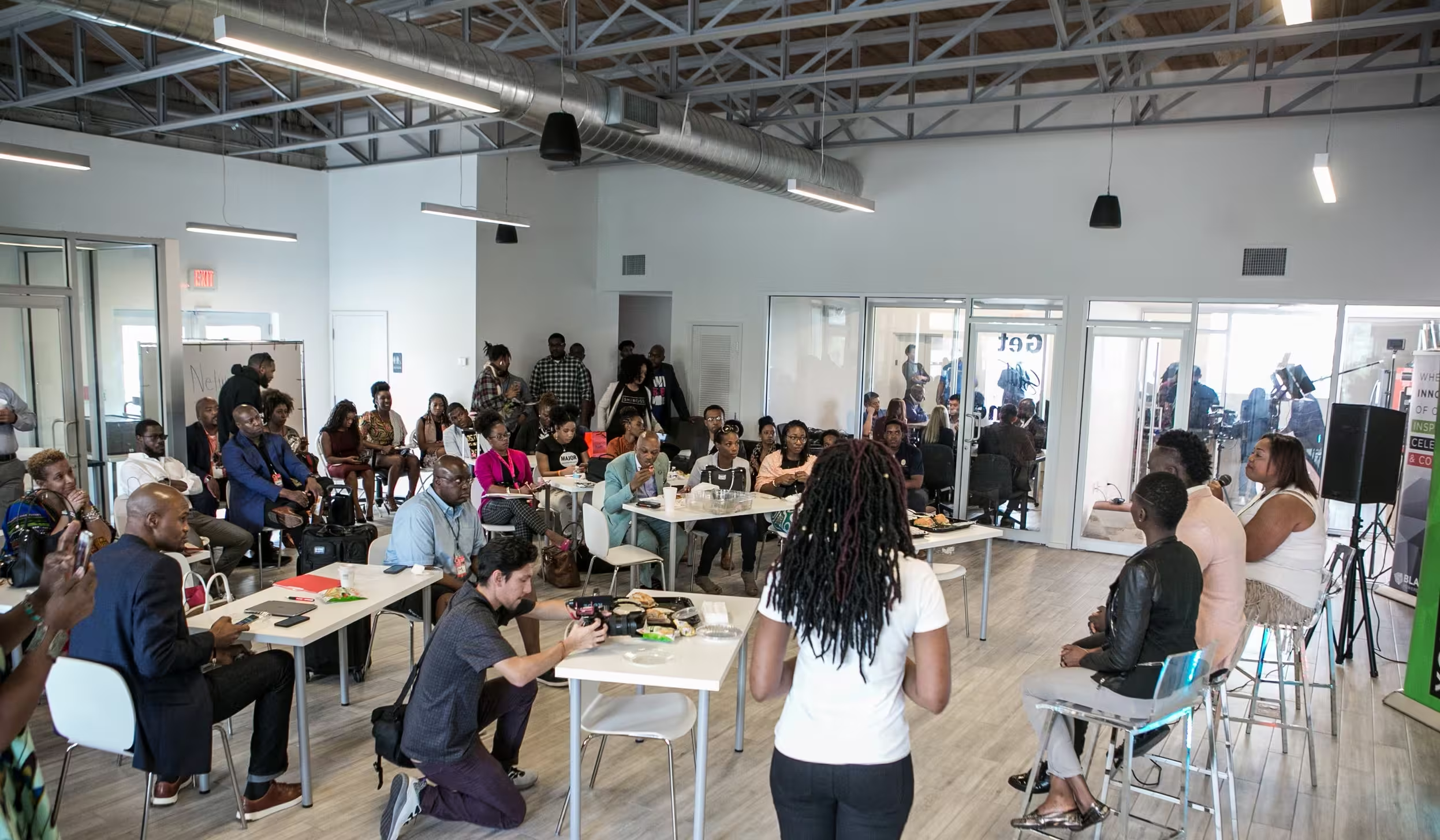
A Space Called Tribe is a coworking and innovation hub operated by Code Fever Miami, a nonprofit working to close the innovation gap in Black communities. Tribe fosters creativity, entrepreneurship, and access to resources for local talent.

Event Image
2020
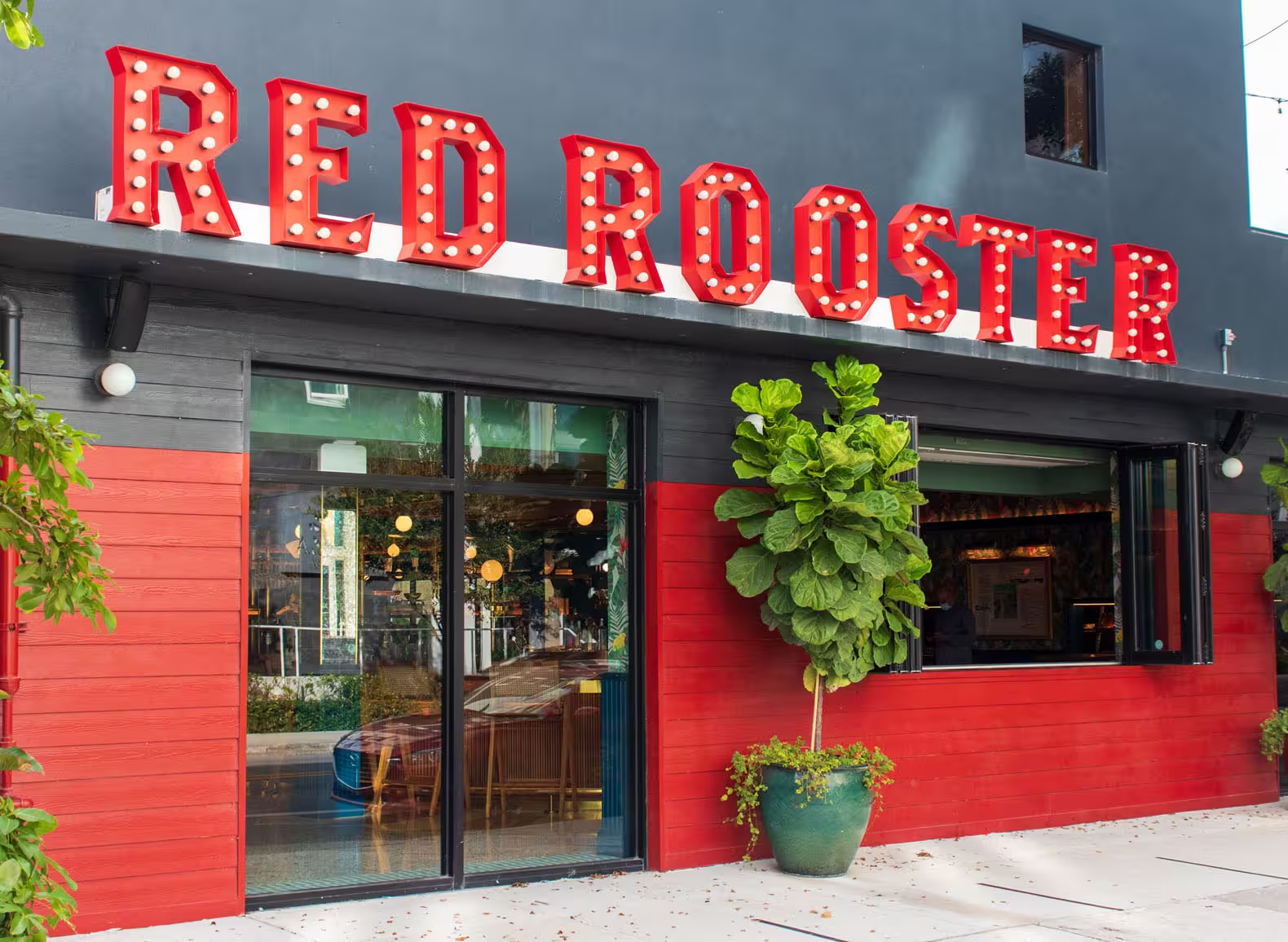
Opening of Red Rooster Overtown

Celebrated chef Marcus Samuelsson opened Red Rooster Overtown to honor the neighborhood’s rich cultural and culinary heritage. The restaurant has helped re-establish Overtown as a cultural and entertainment destination.

Event Image
2020
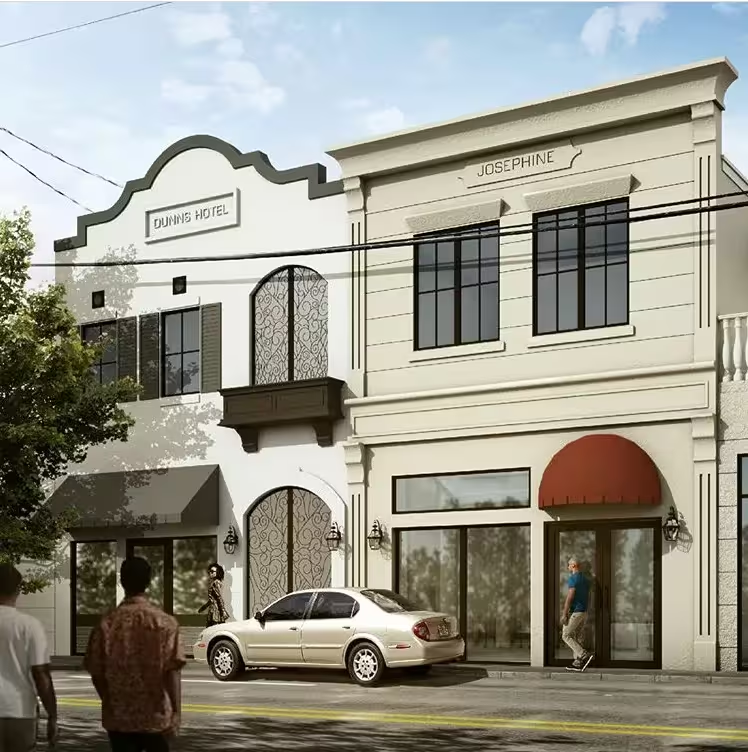
Dunns-Josephine Hotel Reopens

The historic Dunns and Josephine Hotels—originally built in 1947 and 1938—once hosted guests such as Martin Luther King Jr. and Josephine Baker. In 2020, they were combined and restored as a 16-room boutique hotel, with funding from the Southeast Overtown/Park West Community Redevelopment Agency.

Event Image
2024
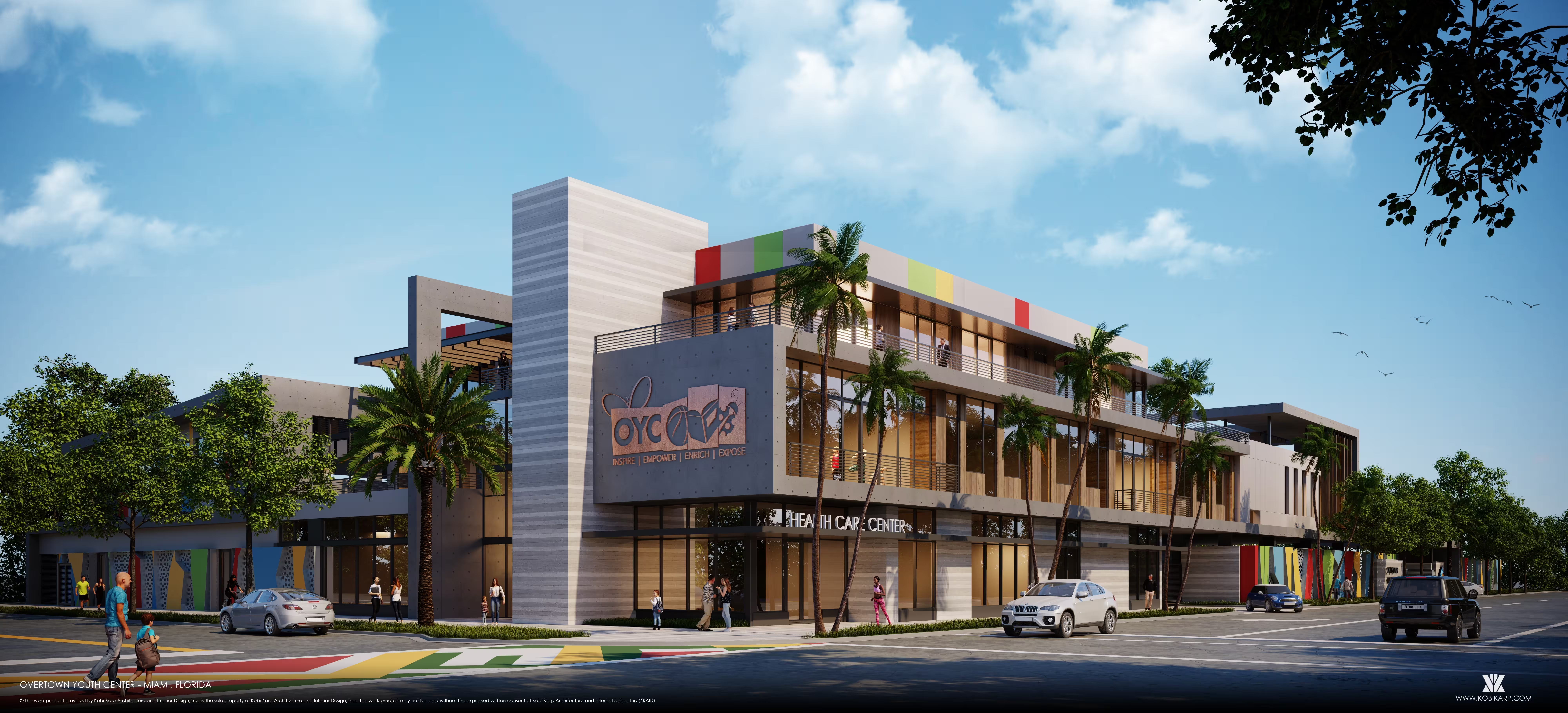
Opening of the New Overtown Youth Center (OYC)

Founded in 2003 by former NBA player Alonzo Mourning and real estate developer Martin Margulies, the OYC provides educational, career development, and community programs for youth and families. In 2024, it opened a new state-of-the-art facility to expand its impact.

Event Image
TBD
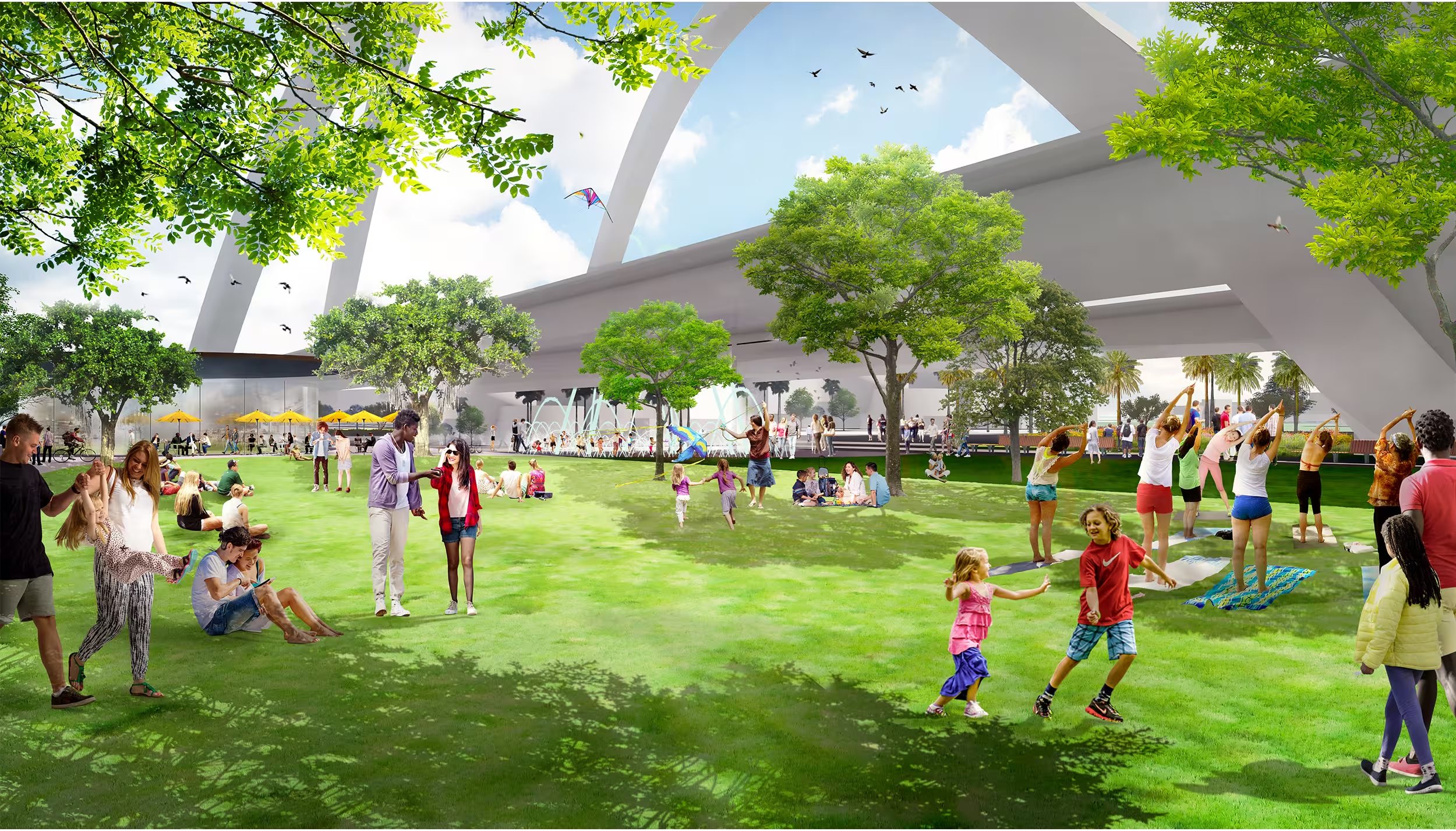
Future Development: The Underdeck

The Underdeck is a planned 33-acre public space beneath I-395 that will reunite North and South Overtown and reconnect adjacent neighborhoods. The green space will stretch from Gibson Park to the museums along Biscayne Bay, helping to restore unity and community spirit to the area.

Researched and written by Su Zhang